


Shiridi Info
Places Near Shirdi

Shani Shingnapur (Nevasa - Ahmednagar)
Shani the son of Sun (Surya) is a famous God in Shinganapur. Unique to the village—homes have no doors. It's 50 km from Shirdi. Buses and private cars are available.
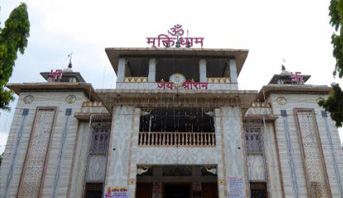
Muktidham (Nashik)
Located just 2 km from Nashik Road Station, the white Muktidham Temple features all 18 chapters of the Gita inscribed on its walls.

Shri Khandoba Mandir
This temple marks Sai Baba's arrival in Shirdi. Mhalsapati greeted him with "Aao Sai," a name that stayed. It’s historically and spiritually important.
Shiridi Info
History of Shirdi Sai Baba
Shri Sai Baba of Shirdi is revered as a godlike figure across all religions. Shirdi is a sacred site for Hindus and Muslims, and in recent times, people of all faiths including Christians and Zoroastrians have begun worshipping Sai Baba.
Childhood of Sai Baba of Shirdi
Shri Sai Baba was believed to be born around 1835 to a Brahmin couple in Patri village, Nizam state of British India. At the age of five, he was handed over to a fakir. This was revealed by Baba himself during his final days. However, his exact date of birth remains unknown. Various communities have claimed him as their own, but none have been proven.
“Have faith and patience – I will always be with you wherever you are.”
Life of Sai Baba at Shirdi
Baba arrived in Shirdi at the age of 16. He meditated under a Neem tree without food or water for days, astonishing the villagers. Bayajabai, wife of the village chief, began feeding him and soon he treated her like a mother. The priest Mhalspati, once possessed by Lord Khandoba, proclaimed Baba as a holy spirit.
Upon Baba’s request, villagers dug beneath the Neem tree and discovered a stone slab, glowing oil lamps (without oil or air), and a vessel shaped like a cow’s mouth – a sacred site where Baba’s guru had done penance. Baba asked that the tree be worshipped and left untouched.
Baba was unique and fearless. Initially misunderstood, he was even hurt by some villagers. He spent about three years in Shirdi, then left for a year, during which little is known of his whereabouts. He is believed to have met many saints and fakirs and worked as a weaver.
In 1858, he returned permanently. He lived under the Neem tree, meditated, and later moved to a mosque. There he maintained a sacred fire, the “dhuni,” and distributed its ash (vibhuti) to visitors, which was believed to have healing powers.
Religious Views of Sai Baba
Baba was opposed to religious orthodoxy. He encouraged devotees to lead simple lives, chant God’s name, and read their own scriptures. He observed Hindu rituals and allowed Muslims to practice their traditions. Baba’s core message was:
“Sabka Malik Ek” (“One God governs all”) and “Allah Malik” (“God is King”).
Baba’s Teachings on Charity
- Help all living beings without discrimination.
- Offer water to the thirsty, food to the hungry, and shelter to the needy.
- Do not scorn those who ask for help—even if you cannot help, be kind.
- Faith (Shraddha) and Patience (Saburi) are keys to spiritual life.
Baba often asked for “Dakshina” (donation), which he distributed to the poor to cleanse devotees’ karma. His blessings were direct and didn’t require intermediaries.
Devotees and Disciples
Mahalsapati, a local priest, was the first known devotee. Initially, Baba's followers were limited to villagers and a few outsiders. Over time, his devotees grew into millions worldwide. Prominent disciples include:
- Upasani Maharaj
- Nana Saheb Chandorkar
- Ganapath Rao Sahasrabuddhe
- Tatya Patil, Baija Mai, Kote Patil
- Haji Abdul Baba, Madhav Rao Deshpande
- Govindrao Dabholkar, Radhakrishna Mai
Lord Meher Baba, born to a Zoroastrian family, also met Sai Baba once, although it is not recorded in the official “Shri Sai Satcharitra.”
Miracles of Shirdi Sai Baba
Baba was known for miracles including levitation, bilocation, mind-reading, self-healing, resurrection after three days, and curing the sick. He even stopped a mosque from collapsing. Devotees believe that reading the “Sai Charitra” can resolve personal and family issues.
Many report dreams and visions of Baba, often seeing him as Lord Rama, Krishna, or other deities, receiving divine guidance. The ash (vibhuti) from the dhuni is believed to have cured many illnesses.
Movies on Sai Baba
Several films have been made on his life to express devotion, not profit. These include:
- Shirid Che Sai Baba (Marathi)
- Shirdi Ke Sai Baba (Hindi)
- Shri Shirdi Sai Baba Mahathyam (Telugu)
- Bhagavan Shri Sai Baba (Kannada)
- Sai Baba (Marathi)
- Sri Sai Mahima (Telugu)
- Shirdi Sai Baba (Hindi)
- Ishwarya Avatar Sai Baba (Hindi)
- Malik Ek (Hindi)
- Shirdi Sai (Telugu)
These movies depict his life, teachings, and miracles in detail.
Pooja Timings of Shirdi Sai Baba Temple
All over the world, Sai devotees dream of visiting the holy Shirdi Sai Baba Temple at least once in their lifetime. Many make it a yearly pilgrimage. Visiting the temple at the right time allows devotees to have darshan peacefully and creates a memorable experience with family. Knowing the daily programme in advance helps plan the Shirdi trip more effectively.
Below are the official daily timings and programmes of the Shirdi Sai Baba Temple, as provided by the temple authorities. Planning accommodation around these schedules also helps devotees explore more nearby attractions in Shirdi.
Daily Programme Schedule
| Time | Programme |
|---|---|
| 4:00 AM | Temple Opens |
| 4:15 AM | Bhupali |
| 4:30 AM - 5:00 AM | Kakad Aarti (Morning Aarti) |
| 5:00 AM | Bhajan in Saibaba Mandir |
| 5:05 AM | Holy Bath (Mangal Snaan) of Shri Sai Baba in Samadhi Mandir |
| 5:35 AM | Aarti "Shirdi Majhe Pandharpur" |
| 5:40 AM | Darshan Begins |
| 11:30 AM | Dhuni Pooja with rice and ghee in Dwarkamai |
| 12:00 PM - 12:30 PM | Midday Aarti |
| 4:00 PM | Pothi (Devotional Reading/Study) in Samadhi Mandir |
| At Sunset (~20 min) | Dhoop Aarti |
| 8:30 PM - 10:00 PM | Devotional Songs and Cultural Programmes (if any) |
| 10:30 PM - 10:50 PM | Shej (Night) Aarti, followed by Baba's Night Rituals |
| 11:15 PM | Temple Closes |
Abhishek Pooja Timings
| Batch | Timing |
|---|---|
| 1st Batch | 7:00 AM to 8:00 AM |
| 2nd Batch | 9:00 AM to 10:00 AM |
| 3rd Batch* | 11:00 AM to 12:00 PM (*Subject to crowd) |
Note: Amount payable for Abhishek Pooja is Rs. 101/- only
Satyanarayan Pooja Timings
| Batch | Timing |
|---|---|
| 1st Batch | 7:00 AM to 8:00 AM |
| 2nd Batch | 9:00 AM to 10:00 AM |
| 3rd Batch* | 11:00 AM to 12:00 PM |
| 4th Batch* | 1:00 PM to 2:00 PM |
| 5th Batch* | 3:00 PM to 4:00 PM |
*Batches 3 to 5 depend on crowd size
Important Note: Darshan line will be closed during these pooja timings.
Other Important Timings
| Occasion | Timing |
|---|---|
| After Noon Aarti | 11:15 AM to 1:00 PM |
| After Shej Aarti | 10:00 PM Onward |
| Dhoop Aarti | Starts approx. 30 minutes before sunset |
Book your accommodation online at: www.shrisainivas.com
Trains from Hyderabad to Shirdi
Manmad Jn (MMR) is a nearby train station connected to Hyderabad.
